

Water Damage Restoration Cost in Wilsonville, OR
Wilsonville homes built on slab and crawl-space foundations face particular risk during the Pacific Northwest's heavy fall and winter rainfall, when roof overflow and localized flooding can accelerate damage beneath surfaces. Water Damage Restoration Cost depends on what an independent local provider discovers during their inspection—the extent of saturation, materials affected, and time elapsed since the water intrusion began. Acting quickly to connect with a restoration provider in your area typically limits the scope of work and helps protect your property from further deterioration.
Water Damage Restoration Cost in Wilsonville, OR
Properties throughout Wilsonville face water damage risk from seasonal rainfall and weather patterns common to the Willamette Valley region. Fall and winter storms bring heavy precipitation that can overwhelm roof systems, gutters, and drainage, leading to interior water intrusion. Localized flooding near the Willamette River and area creeks poses additional exposure for some properties. Most Wilsonville homes sit on slab or crawl-space foundations, which can direct water into living spaces and structural materials when heavy rain outpaces drainage. When water enters a home or building, understanding water damage restoration cost becomes essential because the scope of work—and therefore the total expense—depends on factors that change rapidly once water is present.
Gould Water Damage Restoration connects Wilsonville property owners with independent local restoration providers who assess the full extent of damage and explain what drives the cost of your specific situation. A thorough inspection determines which category of water entered the property, how much square footage and which materials absorbed it, how long active drying will take, what equipment the job requires, and whether structural components like drywall, flooring, or cabinetry must be removed and replaced. The provider also evaluates whether mold has begun to grow, which increases restoration cost significantly. Acting quickly after water damage is discovered typically keeps the scope smaller and the restoration work more straightforward. Connect with a local provider today to understand what your water damage restoration will involve.
What Drives Water Damage Restoration Cost in Wilsonville
Water Source Determines Scope
Clean water from a burst pipe costs less to restore than gray water from appliances or black water from sewage. The dirtier the source, the more contamination must be addressed, and the more intensive the restoration work becomes.
Area and Materials Affected
Restoration cost depends on how many square feet got wet and what materials absorbed water. Drywall, carpet, wood flooring, and cabinets each require different approaches. Larger areas and absorbent materials mean more extensive work and longer timelines.
Drying Time and Equipment Needs
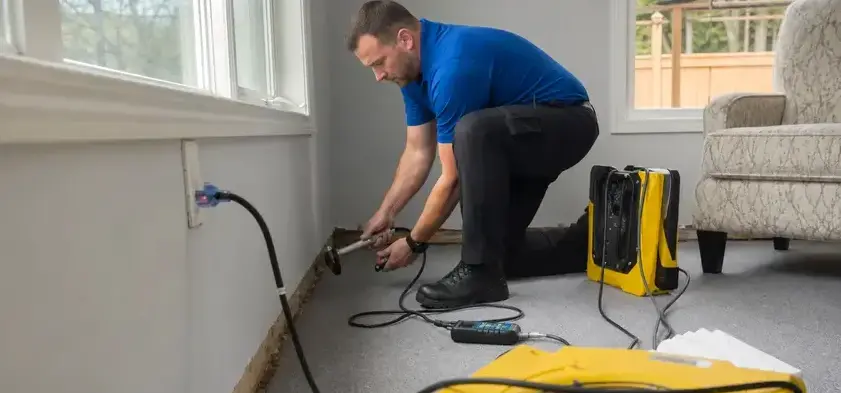
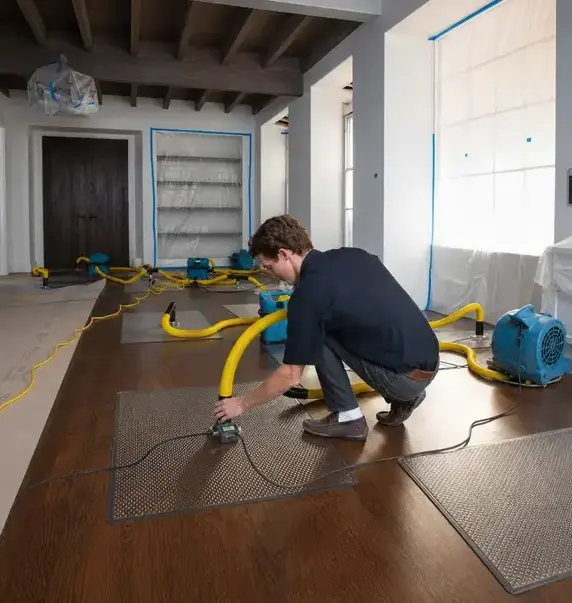
How fast water evaporates depends on humidity, air circulation, and temperature. Restoring air movement and removing moisture may require multiple dehumidifiers and fans running for days. More equipment and longer drying periods increase the overall scope of restoration.
Wilsonville Seasonal Rainfall and Foundation Risk
Heavy fall and winter rain can overwhelm gutters and roof drainage, sending water into homes built on slab or crawl-space foundations common in this area. Water reaching these spaces can spread quickly and demand faster response to prevent material damage and mold growth.
How Your Water Damage Restoration Cost Is Estimated in Wilsonville, OR
From your first call to the final invoice, the goal is simple: understand what is driving Water Damage Restoration Cost for your property before any work begins.
Request an On-Site Estimate
Contact a local water damage restoration provider in Wilsonville to describe what happened and request an inspection. The provider will ask about the water source—whether it came from a clean supply like a burst pipe, gray water from appliances, or contaminated sewage—because the water category directly determines the scope and cost of restoration.
Assess Damage Scope and Cost Drivers
The provider inspects the affected area to measure how much square footage was wet, which materials absorbed water (drywall, flooring, cabinets, insulation), how long the water has sat, and whether mold has begun growing. These factors—along with the drying time and equipment needed—are the primary drivers of water damage restoration cost. Acting quickly after a flood or leak typically reduces the scope of work and what must be removed and rebuilt.
Review the Estimate Before Approval
The provider presents a detailed estimate that breaks down the work required: water extraction, structural drying, material removal, and replacement of damaged components. Review what is included, ask about any uncertainties, and confirm you understand what work will happen and why before authorizing the restoration to begin.
Wondering about Water Damage Restoration Cost in Wilsonville? Get an on-site estimate from a local provider.
Call Now — (503) 334-0026Water Damage Restoration Cost Factors in Wilsonville
Water damage restoration costs in Wilsonville depend on what type of water entered the property, how much area was affected, and what materials absorbed it. The dominant water-damage risk across the region comes from heavy seasonal rainfall in fall and winter, which can overwhelm roof systems and gutters or cause localized flooding near the Willamette River and area creeks. When rainwater reaches interior spaces—whether through a roof leak, gutter overflow, or ground-level seepage in slab or crawl-space foundations typical of the Willamette Valley—the scope of restoration work grows based on square footage saturated, the category of water involved, and how quickly property owners respond.
Water that originates from rain or a burst pipe (clean water) generally costs less to address than gray water from appliances or black water from sewage or flooding. The longer water sits, the more materials like drywall, flooring, insulation, and cabinetry may need removal and replacement rather than simple drying. Drying time and equipment requirements also drive cost—a small, contained area may dry in days with portable equipment, while widespread saturation requires industrial-scale dehumidifiers and air movers running for weeks. If mold begins to develop before drying is complete, remediation adds to the scope. Acting quickly to remove standing water and start drying typically keeps the overall restoration cost lower by preventing material damage and secondary problems from progressing.
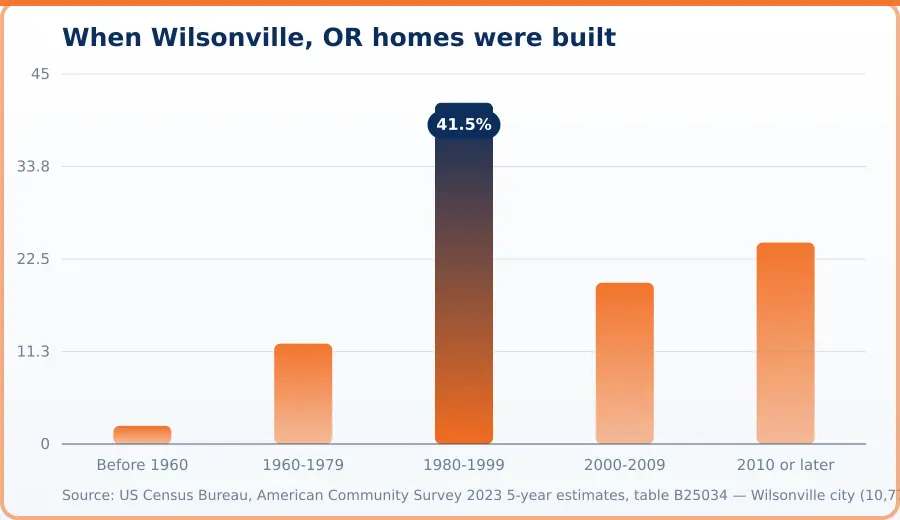
| Period | When homes were built (%) |
|---|---|
| Before 1960 | 2.2 |
| 1960-1979 | 12.2 |
| 1980-1999 | 41.5 |
| 2000-2009 | 19.6 |
| 2010 or later | 24.5 |
Source: US Census Bureau, American Community Survey 2023 5-year estimates, table B25034 — Wilsonville city (10,772 housing units). Retrieved October 4, 2026.
Seasonal Water Damage Restoration Cost Drivers in Wilsonville
Spring: Thaw and Saturation
Spring snowmelt and heavy rains saturate soil around slab and crawl-space foundations, increasing hydrostatic pressure and seepage that raises restoration scope and cost. Gould Water Damage Restoration connects property owners to local providers who assess foundation water intrusion and determine whether drying alone or material removal and replacement is needed.
Summer: Heat and Humidity
Summer humidity slows evaporation, extending drying times and equipment rental duration—both major cost factors. Wet materials in enclosed spaces risk mold development faster in warm, moist conditions. Local providers assess moisture levels to determine whether accelerated drying equipment deployment keeps restoration scope and cost contained.
Fall and Winter: Heavy Rainfall and Flooding Risk
Fall and winter Pacific rainfall brings roof leaks, gutter overflow, and localized flash flooding that damage walls, flooring, and personal property. Properties near the Willamette River and area creeks face heightened risk of black water intrusion, which requires specialized extraction and sanitation work that significantly increases restoration cost. Quick response limits water spread and contamination scope.
Winter: Freeze Damage and Pipe Breaks
Freezing temperatures crack water lines and burst pipes, releasing gallons into walls and floors. Restoration cost depends on water category, affected square footage, whether drywall and flooring require removal, and mold onset. Local providers help property owners understand scope and cost once they inspect the frozen-pipe location and water spread pattern.
Homeowner Safety Toolkit
Verify Your Wilsonville, OR Water Damage Restoration Company
Before you hire anyone, use these independent national resources to confirm credentials, standards, and track record.
RIA
A national trade association whose member companies agree to a written code of ethics covering honest estimates, safety, and fair billing.
Code of EthicsNADCA
Sets the industry standard for inspecting and cleaning HVAC systems after water damage, so contaminated ductwork doesn't spread moisture through the rest of the house.
Duct & Air StandardsBBB
Look up any restoration company's complaint history, customer reviews, and accreditation status — a free, independent check before you hire.
Check StandingWater Damage Restoration Cost FAQs — Wilsonville, OR
Water damage restoration cost depends on several key factors: the category of water involved (clean, gray, or contaminated), the square footage and materials affected, how long the property has been wet, and whether structural rebuild work is needed. A property in Villebois with water confined to one room costs far less to restore than widespread damage across multiple areas with compromised drywall or flooring. The longer water sits, the more materials absorb moisture and require replacement, which increases the total restoration cost.
Immediate action lowers restoration cost because early intervention stops water from spreading deeper into walls, subflooring, and structural materials. The first 24 to 48 hours are critical—quick removal of standing water and rapid drying prevent secondary damage like mold growth and material degradation. Delaying restoration means more materials need replacement and more extensive drying time, both of which significantly raise your final cost.
A local restoration provider you're connected with will conduct an on-site inspection to assess the water damage extent, affected materials, moisture levels, and any structural concerns. Based on this inspection, they create a detailed estimate for labor, equipment, and materials needed. The estimate forms the basis of your restoration cost, so this in-person evaluation is essential for accurate pricing tailored to your property's specific situation.
Insurance may help offset restoration costs depending on your policy, deductible, and the cause of the damage. Coverage varies by policy type and exclusions. We recommend contacting your insurer directly about your claim—they can clarify what may be covered. The independent provider you're connected with can work with your insurance documentation, but the final cost you pay depends on your coverage details and your insurer's determination.
Gould Water Damage Restoration connects you with local providers who can typically schedule an on-site inspection quickly—often the same day or next day, depending on current demand. Since the provider is local to Wilsonville, response time is faster than waiting for a distant contractor. After inspection, you receive an estimate so you can make restoration decisions without prolonged delay, which also helps keep costs down by preventing additional water damage.
Heavy Pacific rainfall during fall and winter months increases water damage risk from roof leaks, gutter overflow, and localized flooding near waterways and creeks. When multiple properties need restoration simultaneously during peak rainfall season, provider availability may tighten and restoration timelines may extend, potentially affecting cost. Homes in flood-prone areas may face larger-scale damage requiring more extensive drying and rebuild work, which raises restoration expenses compared to minor, isolated incidents.
Questions about Water Damage Restoration Cost in Wilsonville, OR? Call (503) 334-0026 to arrange a local on-site estimate.
Call Now — (503) 334-0026Areas We Serve Near Wilsonville, Oregon
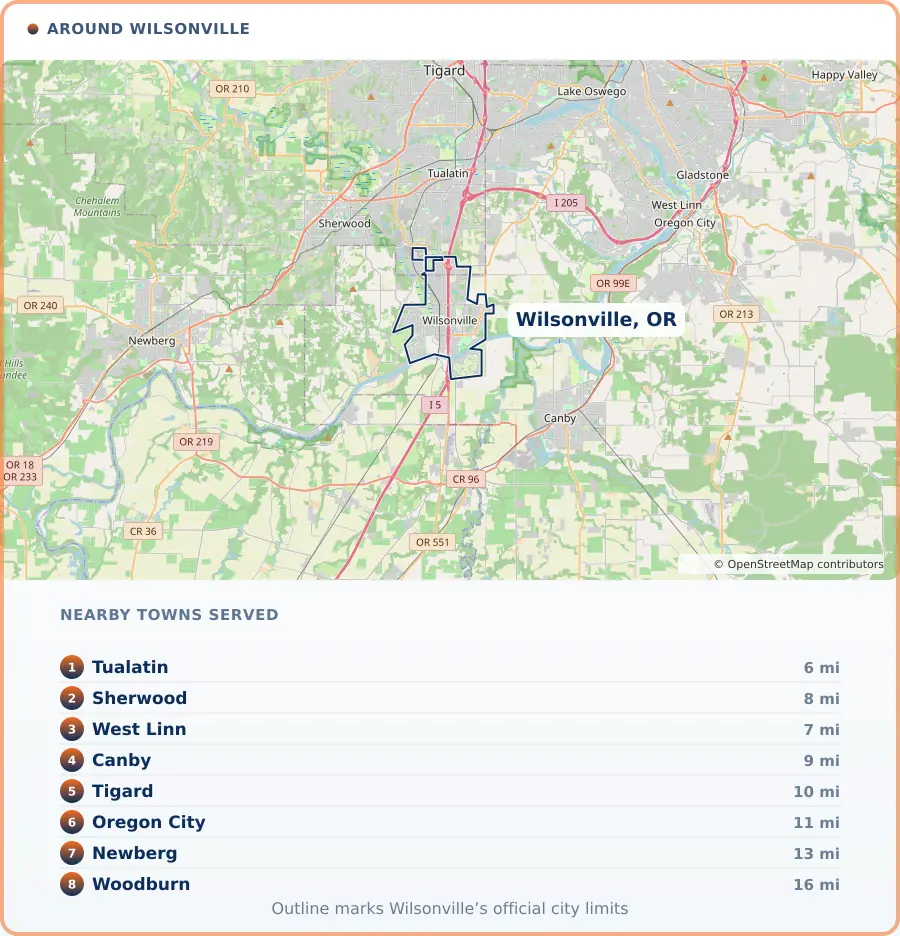
Coverage centres on Wilsonville, OR and reaches 8 surrounding communities. Response time is what matters most in the hours after a problem is found, so knowing the ground is part of the job.
Wilsonville, OR Information
Tucked along the I-5 corridor south of Portland, Wilsonville, OR has grown into a roughly 26,000-person community that punches well above its size economically. Advanced manufacturing and high-tech design share the landscape with major logistics and distribution operations, drawing employers like Xerox, Siemens EDA, Teledyne FLIR, and Coca-Cola Bottling Company, alongside retail anchors such as Costco and Fred Meyer. A local university campus and the Wilsonville School District add steady, year-round stability to the mix.
Beyond the office parks and warehouses, Wilsonville keeps a neighborly feel, with distinct pockets like Villebois and Charbonneau offering their own walkable charm. It's a city built on quiet productivity—practical, well-planned, and proud of the balance it strikes between industry and everyday livability.
Photo: Billy Hathorn, CC BY-SA 3.0